TL;DR
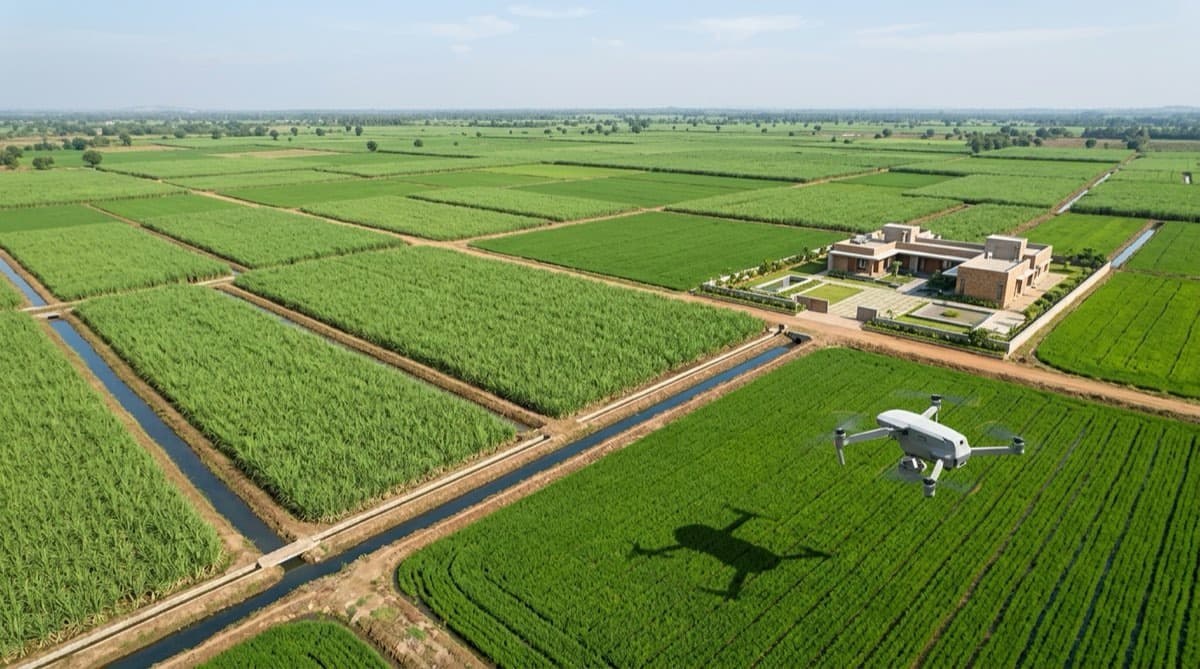
- Due diligence before buying agricultural land in Karnataka means confirming the RTC shows agricultural use, tracing a clean 30-year title, building the family tree (Vamshavruksha) and getting written consent from every heir, verifying any DC conversion order, checking post-2020 Land Reforms compliance, ruling out PTCL/grant restrictions, and clearing zoning and litigation before you pay.
- Since the 2020 repeal of Sections 79A and 79B of the Karnataka Land Reforms Act 1961, any Indian citizen (or a company, trust or society) can buy agricultural land in Karnataka regardless of agriculturist status or income — but old transactions and grant lands still carry restrictions you must check.
- Farmland title fails most often on succession: a missing daughter or minor heir, an undivided joint-family share, or a Saguvali/Inam grant under the PTCL Act that bars sale. The family tree is where you catch it.
- If you plan to build, agricultural land needs a valid DC conversion order; an unconverted parcel cannot be developed and a forged conversion order is a recurring fraud.
- Deedwise automates the data-gathering — Bhoomi RTC, Kaveri 2.0 deeds and EC, Form 16A revenue checks, K-GIS spatial overlays and litigation searches — into a 4-pillar report; a lawyer still reviews and signs before you rely on it.
How do I do due diligence before buying agricultural land in Karnataka?
Run the parcel through four pillars in order — Ownership, Land, Encumbrance and Litigation — and do not skip the agriculture-specific checks that an urban-plot diligence would miss: the family tree, the grant/PTCL status, and the conversion question. The principle is the same as any Title Search Report: reconstruct who has owned the land for the last 30 years, confirm the seller can legally pass clean title today, and confirm the land can be used for what you intend.
What makes farmland different from a flat or an urban plot is that title usually sits inside a joint Hindu family, the records are in Kannada revenue formats (RTC, MR), and the land's legal character — agricultural, granted, restricted, or converted — decides whether you can buy it and what you can do with it. Get all three right and the deal is clean; miss one and you inherit someone else's defect.
Here are the source records you will pull and what each one tells you.
| Record | Portal / source | What it proves |
|---|---|---|
| RTC / Pahani | Bhoomi (landrecords.karnataka.gov.in) | Current cultivator/owner, extent, land use, Col. 11 crop/tenancy, mortgage notes |
| Mutation register (MR) | Bhoomi | How ownership changed hands (sale, inheritance, gift, partition) |
| Encumbrance Certificate (EC) | Kaveri 2.0 | Registered transactions and mortgages over a period |
| Registered deeds | Kaveri 2.0 | The actual sale/gift/partition/mortgage instruments |
| Form 16A / Akarbandi | Revenue dept (Bhoomi) | Survey extent, govt-restriction, court-stay and revenue inquiry flags |
| DC conversion order | Deputy Commissioner / RDC | Whether agricultural land was lawfully converted to non-agricultural |
| Grant / Saguvali chit | Revenue dept records | Whether the land was a government grant (triggers PTCL) |
| K-GIS spatial layers | K-GIS (KSRSAC) | Boundaries, road/buffer/lake overlays, zoning |
| Court / tribunal records | eCourts, Karnataka HC, NCLT | Pending or decided litigation over the land or the seller |
Pillar 1 — Ownership: trace the 30-year title, build the Vamshavruksha, get heir consent
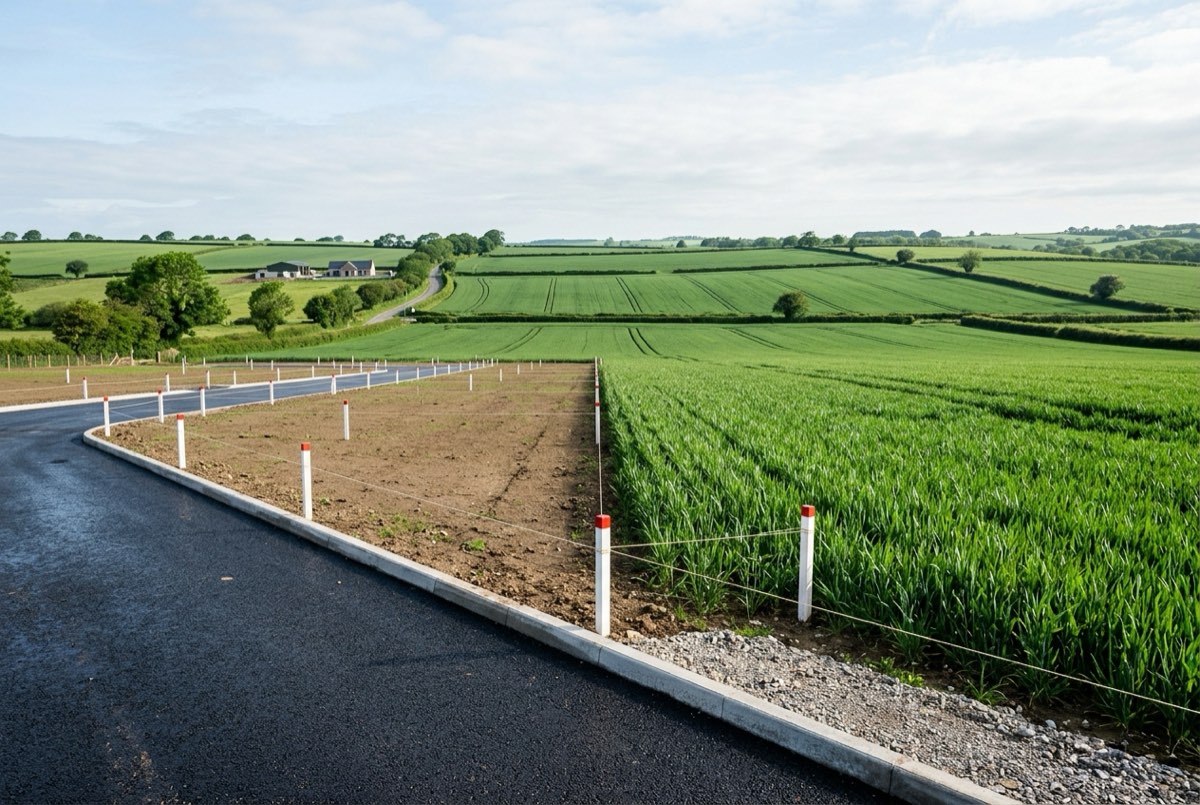
The single most important agricultural-land check is succession. Start from the present RTC and walk the chain backwards through every mutation (MR) entry and every registered deed for at least 30 years, the conventional safe-title window in India (the Limitation Act 1963 frames adverse-possession and stale-claim risk). Then map the family.
Build the family tree (Vamshavruksha) and reconcile it against the title chain
A Vamshavruksha is the genealogy chart issued by the village/revenue authority. It exists for one reason: agricultural land in Karnataka is usually ancestral joint-family property, so every coparcener and legal heir has a share — whether or not they appear on the RTC. Reconstruct the tree and check it against the chain of deeds:
- Every heir who should have signed a sale or partition, did. A married daughter is a coparcener in a Hindu joint family and her share survives even if she is not in possession. Missing-heir claims are a classic latent defect (see common title defects).
- Minor's shares were sold only with court permission; a minor can re-open the sale on attaining majority otherwise.
- Aliases and "S/o" lineage match across the RTC, MR and deeds — name variants in Kannada records hide breaks in the chain.
- Partition is recorded, not merely oral. An unregistered family arrangement does not bind a non-consenting member.
Deedwise's pipeline synthesises a family tree from the EC, deeds and revenue records and stamps each member as on- or off-title, but the practical safeguard is the same one a senior lawyer insists on: a written, registered consent (or a release/relinquishment deed) from every adult heir, and a court order for any minor.
Read the RTC and mutations carefully
The RTC (Pahani) is the spine. Learn to read every column, especially Column 11 — it carries tenancy, crop and creditor notes that flag mortgages and third-party rights. Cross-check the owner name, extent and survey/hissa on the RTC against the registered deeds. A mismatch between the RTC owner and the seller is a stop sign until reconciled through the mutation register.
Pillar 2 — Land: grant/PTCL status, conversion, and what you can build
This pillar decides whether you can legally buy and use the parcel, beyond who owns it.
Is it granted land? Check PTCL before anything else
If the land was originally a government grant to a Scheduled Caste / Scheduled Tribe person (Saguvali, Darkhast or Inam land), the Karnataka SC/ST PTCL Act 1978 can bar or restrict its sale — and a transfer in breach is voidable, with the land liable to revert to the original grantee or the government even decades later. This is one of the most dangerous farmland defects because the restriction is invisible on a casual RTC read. Look for a grant/Saguvali origin in the title chain, check for any PTCL declaration or order, and treat any grant land as conditional until a lawyer confirms the restriction has lapsed or does not apply.
Post-2020 Land Reforms compliance (Sections 79A and 79B)
Sections 79A and 79B of the Karnataka Land Reforms Act 1961 — which historically barred non-agriculturists and high-income buyers from purchasing farmland — were repealed by the 2020 amendment, and as of 2026 that repeal still stands. In practice that means a non-farmer can now buy agricultural land in Karnataka (covered in detail in can a non-farmer buy agricultural land in Karnataka). Two cautions remain: first, historical transactions are judged by the law as it stood then, so a pre-2020 acquisition by an ineligible buyer can still be questioned; second, the RTC may carry an inquiry flag from an older 79A/79B proceeding that you must clear. Deedwise's Form 16A check surfaces these revenue-restriction entries directly from the record.
Conversion: is this land legally usable for your purpose?
Agricultural land can only be used for agriculture unless it has been converted to non-agricultural (NA) use by a Deputy Commissioner conversion order under Section 95 of the Karnataka Land Revenue Act 1964. If you are buying to farm, an unconverted parcel is fine. If you are buying to build — a layout, a farmhouse beyond what is permitted, a project — you need a valid conversion order, and a forged or expired order is a recurring fraud. Verify the DC conversion order against the issuing office and confirm the converted extent matches the survey. If the RTC shows converted land but no conversion order appears in the EC instruments, treat conversion as unproven.
Zoning, buffers and overlays
Even converted land must comply with the master plan / zoning for the area, plus statutory buffers — roads, high-tension lines, lakes and tanks, railway and defence land. K-GIS spatial overlays let you see whether the parcel falls in a green belt, a buffer, or an acquisition alignment before you commit.
Pillar 3 — Encumbrance: clear the loans and charges
Confirm no live mortgage, charge or lien rides on the land. Pull the Encumbrance Certificate and the underlying deeds from Kaveri 2.0 for at least the 30-year window, read the RTC Column 11 for creditor entries, and check CERSAI for security interests registered by banks and NBFCs (these may not show on a state EC). A subsisting mortgage means the seller cannot give clean title until it is discharged — get the original loan-closure / no-dues and a deed of reconveyance before closing, not after.
Pillar 4 — Litigation: rule out active disputes
Search whether the land or the seller is in litigation. Run the parcel and the parties through eCourts (district courts), the High Court of Karnataka, and — if a company or LLP is in the chain — NCLT for insolvency. Watch for partition suits, injunctions and stays (a court stay flag often appears in the Form 16A revenue check), specific-performance suits by an earlier buyer, and any land-acquisition notification. A pending partition or stay can freeze a transaction for years.
What these records and portals cannot tell you
Portals and records are powerful but not omniscient. Be honest with yourself about the gaps:
- Possession and boundaries on the ground. Records show paper title; they do not show encroachment, a tenant in physical possession, or whether the survey pegs (Phodi/Mojini) match the fence. A physical survey is non-negotiable.
- Unrecorded family claims. A daughter never entered in the RTC, an oral partition, or an heir abroad will not appear until they assert a claim. The family tree narrows this risk; it cannot eliminate it.
- Pending or recently filed mutations. A mutation can be applied for but not yet certified, so the live owner on paper may lag reality.
- Fresh litigation and recent deeds. Court and registration databases lag by days to weeks; a suit filed or a sale registered last week may not surface yet.
- The legal conclusion itself. Data tells you what is recorded; it does not tell you whether the title is marketable. That judgment — and the sign-off you can rely on — comes from a lawyer.
This is exactly the boundary Deedwise is built around: the AI gathers the records from every portal, translates the Kannada, normalises the facts and drafts the 4-pillar report with red flags surfaced — and a qualified lawyer reviews and signs before anyone acts on it.
Frequently asked questions
What documents do I need to buy agricultural land in Karnataka? At minimum: the latest RTC/Pahani and the full mutation (MR) history, the chain of registered deeds for 30 years, an Encumbrance Certificate from Kaveri 2.0, the family tree (Vamshavruksha) with heir consents, the survey/Form 16A (Akarbandi), and — if the land is converted — the DC conversion order. If the parcel is granted land, add the grant/Saguvali document and any PTCL declaration. You will also want the seller's ID/KYC and tax-paid receipts.
Can a non-farmer or a company buy agricultural land in Karnataka in 2026? Yes. The 2020 amendment repealed Sections 79A and 79B of the Karnataka Land Reforms Act 1961, and as of 2026 that repeal still stands, so any Indian citizen, company, trust or society can buy agricultural land regardless of agriculturist status or non-agricultural income. Two caveats: transactions before the repeal are judged by the older law, and granted (PTCL) land remains restricted regardless.
Why is the Vamshavruksha (family tree) so important for farmland? Because agricultural land in Karnataka is usually ancestral joint-family property, so coparceners and legal heirs — including married daughters and minors — hold shares even if they are not named on the RTC. The family tree lets you confirm that every person who needed to consent to a past sale or partition actually did. A missing heir can re-open the transaction years later, which is one of the commonest latent title defects.
Do I need a DC conversion order if I only want to farm the land? No. A DC conversion order under Section 95 of the Karnataka Land Revenue Act 1964 is required only to use agricultural land for non-agricultural purposes such as building a layout or a project. If you intend to keep it as farmland, you do not convert. But if you plan to develop it, conversion is mandatory — and you must verify the order is genuine and the converted extent matches the survey.
What is PTCL and why does it matter when buying farmland? PTCL is the Karnataka SC/ST (Prohibition of Transfer of Certain Lands) Act 1978. If the land was originally granted by the government to an SC/ST person, the Act can prohibit or restrict its sale, and a transfer made in breach can be voided with the land reverting — sometimes decades later. Always check the title chain for a grant origin and treat any granted land as conditional until a lawyer confirms PTCL does not bar the sale.
Does Deedwise's report replace a lawyer's title opinion? No. Deedwise automates the heavy lifting — scraping Bhoomi, Kaveri 2.0, K-GIS, CERSAI and the courts, translating Kannada records, and drafting a 4-pillar due-diligence report with red flags — but a qualified lawyer reviews the draft and signs the final opinion. The platform's value is speed and completeness of evidence; the legal conclusion you rely on still comes from the lawyer.
Continue reading
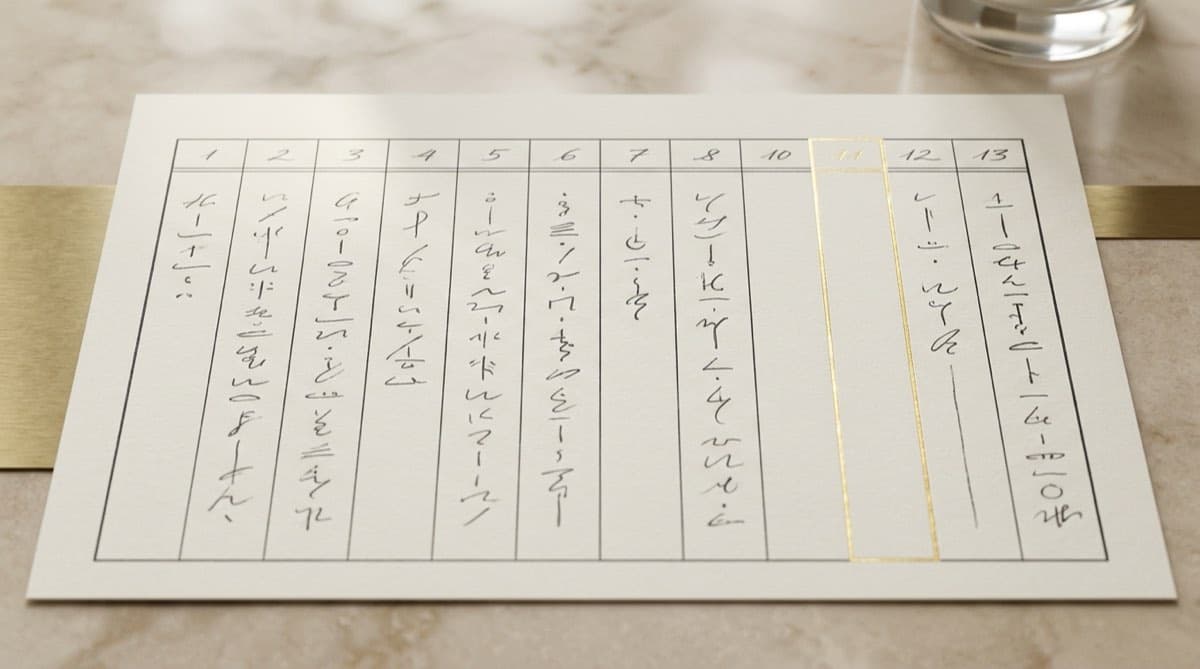
How to Read a Bhoomi RTC (Pahani): All 13 Columns and the Column 11 Red Flags
11 min read

What Is an 11E Sketch / FMB / Phodi and When Do You Need It (Karnataka)
7 min read

How to Get a Certified Copy of a Registered Sale Deed Online from Kaveri
11 min read

Bhoomi RTC for Karnataka Land Acquisition: A Developer's Guide
11 min read
Automate your due diligence
Skip the manual portal work.
Deedwise automates everything in this article — across every connected portal — and delivers a complete Title Search Report in hours.
Request Access